

History of the NBTC
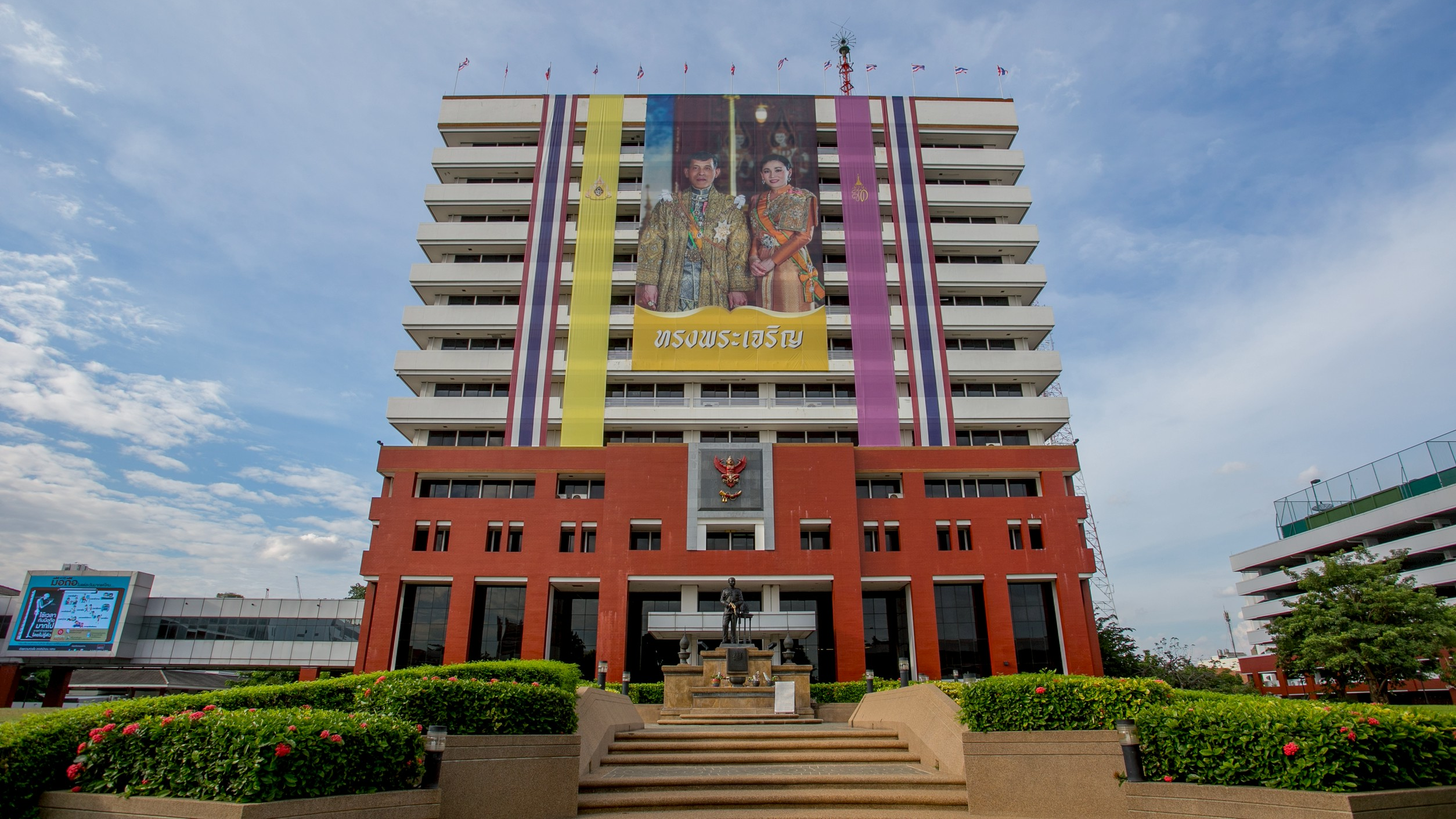
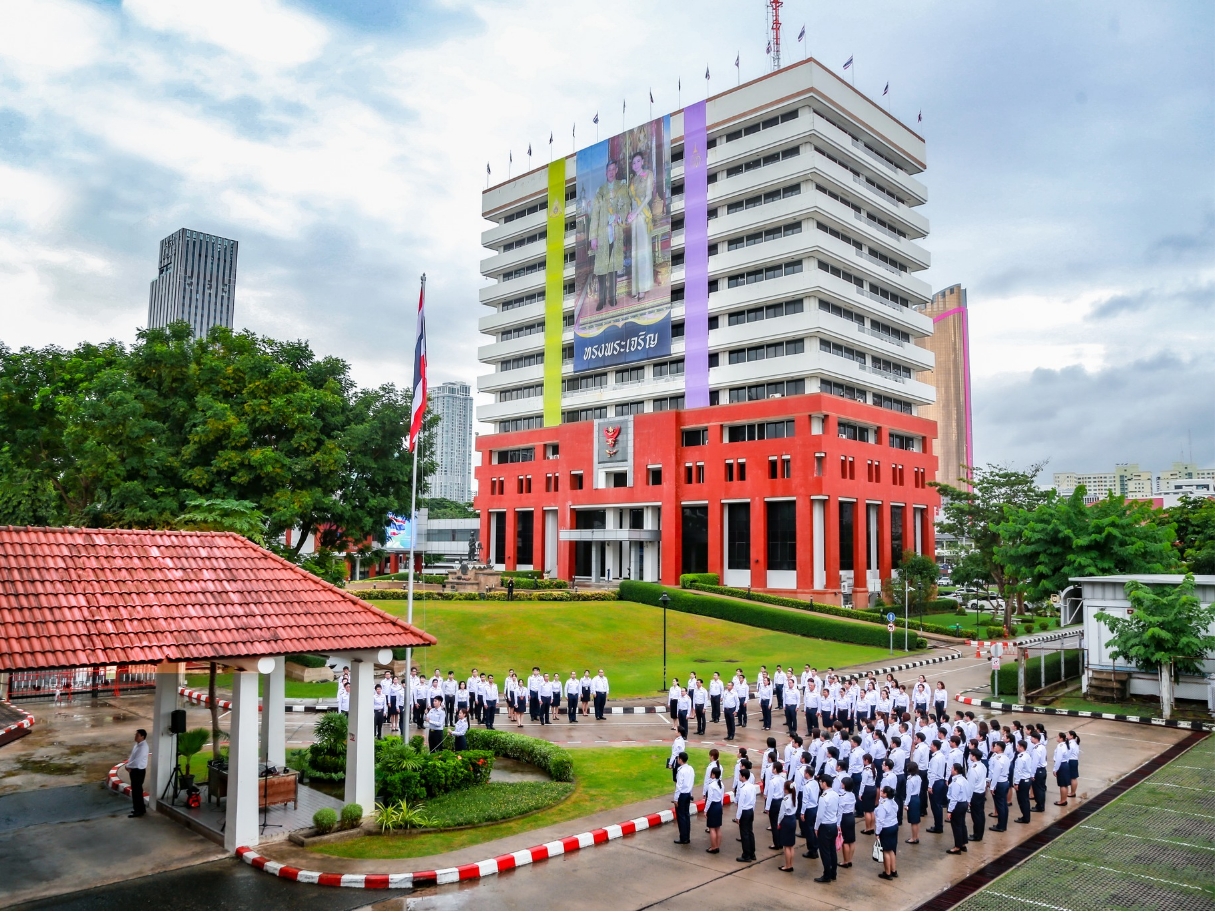
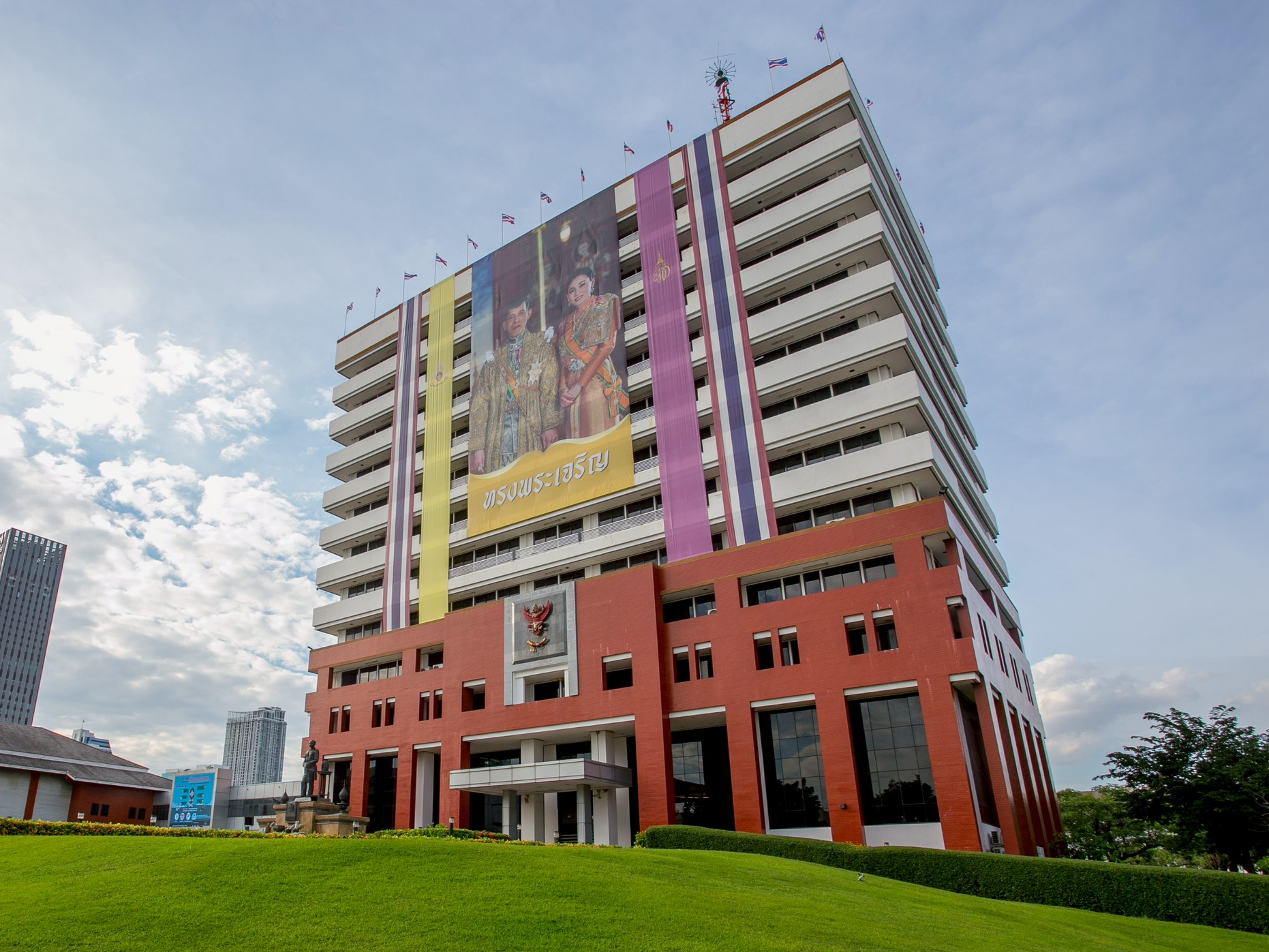
The National Broadcasting and Telecommunications Commission (NBTC)
An independent state agency established under the Frequency Allocation and Regulation of Broadcasting, Television, and Telecommunications Act B.E. 2553 (2010), which was enacted in accordance with Section 60 of the Constitution of the Kingdom of Thailand B.E. 2560 (2017), and other related laws.
"The frequency spectrum used for broadcasting radio, television, and telecommunications is a national communication resource for public benefit. Therefore, there shall be an independent state agency responsible for allocating frequencies as stated in paragraph one, and regulating the operation of broadcasting, television, and telecommunications businesses, in accordance with the law."
The NBTC has the authority to allocate frequency spectrum and regulate broadcasting, television, and telecommunications businesses to maximize public benefit. The NBTC Office serves as the administrative agency, having received the transfer of businesses, assets, rights, duties, debts, employees, and budget from the National Telecommunications Commission (NTC) since December 20, 2010. During the period before the full appointment of the NBTC commissioners, the law stipulates that the National Telecommunications Commission (NTC) shall temporarily perform the duties of the NBTC under transitional provisions.
However, on October 7, 2011, Thailand appointed the National Broadcasting and Telecommunications Commission (NBTC), consisting of 11 members who are experts from various fields. They were rigorously nominated and selected before the Senate voted within the legal timeframe. Subsequently, they received the Royal Command to be appointed as NBTC members, granting them full authority to oversee the country’s communication businesses.
To ensure operational efficiency, the law provides for two subcommittees to act on behalf of the NBTC in their respective areas: the National Broadcasting Commission (NBC), responsible for overseeing broadcasting and television operations; and the National Telecommunications Commission (NTC), responsible for overseeing telecommunications operations. Since both NBC and NTC are subcommittees under the NBTC board, policy-making and important decisions must still be made collectively by all 11 board members. The NBTC Office staff, supervised by the NBTC Secretary-General, supports the execution of related tasks.
Therefore, it can be said that today, the frequency spectrum and the operation of broadcasting, television, and telecommunications in Thailand are under the regulatory system of the NBTC, which will bring the greatest benefit to the public and foster free and fair competition.
Constitution of the Kingdom of Thailand B.E. 2550 (2007)
Frequency Allocation and Regulation of Broadcasting, Television, and Telecommunications Act B.E. 2553 (2010)
Frequency Allocation and Regulation of Broadcasting, Television, and Telecommunications Act B.E. 2553 (2010) and its amendments